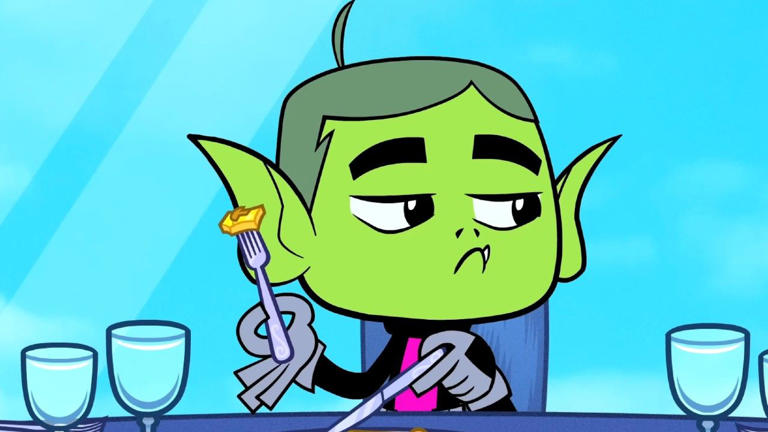
Greg Cipes, the voice behind one of Cartoon Network’s most iconic characters, Beast Boy, has stepped into the spotlight with comments that have reignited long-simmering tensions over the Teen Titans Go! era. Once celebrated for bringing charm and humor to Teen Titans, Cipes’ role shifted dramatically as the franchise pivoted from its original tone to the slapstick-driven Teen Titans Go! — a move that alienated many longtime fans. Now, with new revelations about his behind-the-scenes experience, the discourse has flared again.
This isn’t just about one actor or one show. It’s about how legacy franchises evolve — or devolve — under network pressure, creative overhauls, and shifting audience demands. Cipes didn’t just voice a character; he helped define a generation’s relationship with superhero animation. So when he says he was "fired" from the role that made him famous, the reaction isn’t just emotional — it’s cultural.
The Firing That Wasn’t Official — But Felt Real
Cipes never received a formal termination letter. There was no press release. But in multiple interviews and social media exchanges, he’s made it clear: he was sidelined from Teen Titans Go! not by choice, but by circumstance — and possibly by network strategy.
In a candid podcast appearance, he described a sudden drop in work on the series, attributing it to producers wanting “a different direction” for Beast Boy. At first, fans chalked it up to standard voice actor rotation. But as episodes rolled out with noticeably altered vocal performances — flatter, less expressive, stripped of Cipes’ signature ad-libs — suspicion grew.
Then came the confirmation: Cipes was no longer the primary voice of Beast Boy. In his words, “They didn’t call me. I didn’t quit. I just wasn’t invited back.”
This non-firing firing is a growing trend in animation. Studios increasingly rely on sound-alikes or younger, less expensive talent to maintain continuity while cutting costs. But audiences notice. And they care.
“You can’t replace the soul of a performance with a vocal clone,” one fan wrote on Reddit. “Beast Boy without Greg is like Robin without his sarcasm — just a costume.”
Why Beast Boy Matters Beyond the Jokes
Teen Titans Go! is often dismissed as a comedic cash grab — a far cry from the dramatic, emotionally layered storytelling of the 2003 Teen Titans series. But dismissing it entirely misses a crucial point: it kept the franchise alive.
And in that continuation, Beast Boy evolved. No longer just the comic relief, he became the chaotic heart of the team — a role Cipes leaned into with improvisational flair. His Beast Boy wasn’t just funny; he was unpredictable, vulnerable, and weirdly wise. Whether he was launching into impromptu raps or delivering accidental life lessons, Cipes gave the character depth even within absurd plots.
When the voice changed, fans didn’t just lose a familiar sound — they lost a connection. Beast Boy’s jokes started feeling recycled. His energy flattened. The emotional beats — rare as they were — rang hollow.
Consider Season 9’s “The Cruel Giggling Gremlin,” where Beast Boy faces off against a meta-commentary villain mocking Teen Titans Go!’s own absurdity. In earlier seasons, Cipes would have delivered lines with self-aware irony, blurring the line between character and critique. The replacement performance? Playful, but toothless. It lacked the edge that made the satire land.

Cartoon Network’s Balancing Act — Ratings vs. Legacy
Let’s be clear: Teen Titans Go! is a ratings juggernaut. Since its 2013 debut, it’s consistently ranked among Cartoon Network’s top performers, spawning merchandise, theme park rides, and a feature film. From a business standpoint, the show is a success.
But success doesn’t silence criticism. Older fans — now in their 20s and 30s — grew up with the original series. For them, Teen Titans Go! isn't just different. It feels like a betrayal.
Cipes’ departure symbolizes that shift. It’s not just about one actor losing a gig. It’s about what gets prioritized: brand longevity or creative authenticity?
Cartoon Network has a history of reviving and retooling franchises. Adventure Time got Distant Lands. The Powerpuff Girls got a reboot. But Teen Titans hasn’t seen a similar respectful evolution. Instead, the original series remains in limbo while Teen Titans Go! marches on — with fewer original cast members each season.
Insiders suggest budget constraints and scheduling conflicts played a role in Cipes’ reduced involvement. But fans hear “budget” and think “corner-cutting.” They don’t want excuses — they want their heroes back.
Behind the Mic: The Real Cost of Voice Acting in Animation
Voice actors in long-running animated series often operate in a gray zone. Unlike on-screen performers, they rarely have union protections that guarantee multi-season contracts or backend residuals. Many are hired per episode, making them easy to replace.
Cipes, a member of SAG-AFTRA, should have had more protection. Yet without a binding contract for Teen Titans Go!, his position was vulnerable. When producers wanted a “fresher” take or a cheaper alternative, the door was open.
This isn’t an isolated case. Similar situations have unfolded with: - SpongeBob SquarePants, where Tom Kenny remains central but supporting cast roles have shifted - The Loud House, where voice changes sparked fan petitions - My Little Pony, where the 2017 reboot quietly replaced several original actors
The pattern is clear: networks favor control and cost-efficiency over continuity. And while some replacements are seamless, others fracture audience trust.
For Cipes, the impact goes beyond income. Beast Boy was his breakthrough role. To be erased from it — without explanation — is professionally and personally painful.
Fan Backlash: More Than Just Nostalgia
The response to Cipes’ comments has been fierce. Social media lit up with hashtags like #BringBackGreg and #RealBeastBoy. Petitions circulated. YouTube compilations comparing old and new voice performances racked up millions of views.
But this isn’t just nostalgia-driven outrage. There’s a deeper frustration at play: the feeling that corporations no longer honor the people who built their empires.
Cipes wasn’t just a performer — he was part of the Teen Titans identity. He attended conventions, engaged with fans, and defended the franchise during its lowest moments. To sideline him feels, to many, like ingratitude.
Moreover, the timing stings. With rumors of a Teen Titans cinematic reboot swirling, fans worry that Cipes — and others like him — will be excluded from the next chapter.
“They profit off our childhoods, then replace the people we associate with those memories,” one Twitter user posted. “It’s not just disrespectful — it’s bad business.”
What This Means for the Future of Animation
The Cipes-Beast Boy controversy highlights a growing tension in modern animation: the clash between commercial sustainability and artistic integrity.

Streaming platforms and networks want IP that’s recognizable, marketable, and endlessly expandable. But in their pursuit of scale, they often overlook the human elements that made those properties meaningful in the first place.
If Cartoon Network wants to preserve Teen Titans as a franchise with lasting value, it needs to do more than churn out episodes. It needs to: - Re-engage original voice actors where possible - Acknowledge fan sentiment instead of dismissing it - Invest in storytelling that respects both old and new audiences
Ignoring these elements risks turning Teen Titans Go! into a hollow brand — funny, sure, but forgettable.
There’s room for evolution. But evolution shouldn’t mean erasure.
A Path Forward — For Fans, Actors, and Networks
So where does this leave us?
Greg Cipes hasn’t ruled out a return. In a recent Instagram post, he wrote: “I’ll always be Beast Boy in my heart. And if the door opens, I’ll walk back through it.”
That door needs to be reopened — not just for him, but for the fans who grew up with his performance.
Cartoon Network has a choice: continue down the path of cost-cutting reboots, or take a risk on legacy. They could: - Launch a limited revival series with the original cast - Introduce Cipes’ Beast Boy in a guest role to test audience response - Release a documentary exploring the franchise’s evolution
Even small gestures — a reunion panel, an official statement acknowledging Cipes’ contributions — could go a long way in healing rifts.
After all, franchises aren’t just built on characters. They’re built on people.
The Bottom Line: Voice Matters — Literally
The firing — or unofficial sidelining — of Greg Cipes as Beast Boy isn’t just a behind-the-scenes footnote. It’s a symptom of a larger issue in animation: the undervaluing of voice performers who give soul to animated characters.
Fans don’t just hear a voice. They hear a memory. A feeling. A piece of their childhood.
When that voice disappears without explanation, it feels like a loss.
Cartoon Network has the power to fix this. Not with spin, but with action. Rehire Cipes. Credit his impact. Let Beast Boy be Beast Boy again.
Because in the end, a franchise is only as strong as the people who breathe life into it.
FAQ
Did Greg Cipes actually get fired from Teen Titans Go!? While there was no formal firing, Cipes confirmed he stopped receiving work on the show without explanation, suggesting he was effectively let go.
Who voices Beast Boy now? The current voice actor hasn’t been officially confirmed, but fan analyses point to a sound-alike with a noticeably different delivery style.
Is Teen Titans Go! ending? As of now, the show remains in production with new episodes airing regularly on Cartoon Network.
Will the original Teen Titans return? There’s been no official announcement, but fan demand for a revival or proper conclusion remains strong.
Why did Cartoon Network change Beast Boy’s voice? Possible reasons include budget cuts, creative direction shifts, or scheduling conflicts — though the network hasn’t provided a public explanation.
Can fans bring Greg Cipes back? Grassroots campaigns, social media pressure, and strong viewership for legacy content can influence network decisions.
Is this issue common in animation? Yes — voice actor replacements happen frequently due to cost, availability, or creative changes, often sparking fan backlash.
FAQ
What should you look for in Beast Boy Actor Ignites Backlash Over Teen Titans Go Firing? Focus on relevance, practical value, and how well the solution matches real user intent.
Is Beast Boy Actor Ignites Backlash Over Teen Titans Go Firing suitable for beginners? That depends on the workflow, but a clear step-by-step approach usually makes it easier to start.
How do you compare options around Beast Boy Actor Ignites Backlash Over Teen Titans Go Firing? Compare features, trust signals, limitations, pricing, and ease of implementation.
What mistakes should you avoid? Avoid generic choices, weak validation, and decisions based only on marketing claims.
What is the next best step? Shortlist the most relevant options, validate them quickly, and refine from real-world results.