The United Arab Emirates is redefining its role in global oil politics. What was once a quiet alignment with OPEC’s consensus is now a decisive pivot toward energy independence—accelerated by rising tensions in the Strait of Hormuz. The UAE’s move to exit OPEC isn’t just a policy shift; it’s a geopolitical recalibration that directly undermines Saudi Arabia’s decades-long grip on Gulf energy coordination.
This isn’t a sudden rupture. It’s the culmination of strategic divergence, regional rivalry, and the growing cost of aligning with Saudi-led production cuts that often favor Riyadh’s economic stability over Abu Dhabi’s ambitions.
Why the UAE Is Leaving OPEC Now
The UAE’s departure from OPEC isn’t impulsive—it’s the result of years of frustration. Since 2020, Abu Dhabi has clashed repeatedly with Riyadh over production quotas. Most notably, in 2022, the UAE threatened to leave after Saudi Arabia pushed for deeper cuts that would have capped the UAE’s output despite its expanded drilling capacity.
The catalyst today? The Strait of Hormuz oil crisis.
Heightened threats to shipping lanes—drone attacks, tanker seizures, and Iranian naval posturing—have made regional oil exports unpredictable. For a country like the UAE, which relies on Hormuz for over 90% of its crude exports, this isn’t just a security issue. It’s a sovereignty issue.
Rather than depend on OPEC’s collective response, the UAE is choosing unilateral action: boosting its own reserves, fast-tracking offshore drilling, and locking in long-term supply contracts with Asian markets. This autonomy is incompatible with OPEC’s consensus model—especially when that model is dictated by Saudi interests.
The Hormuz Crisis: A Tipping Point
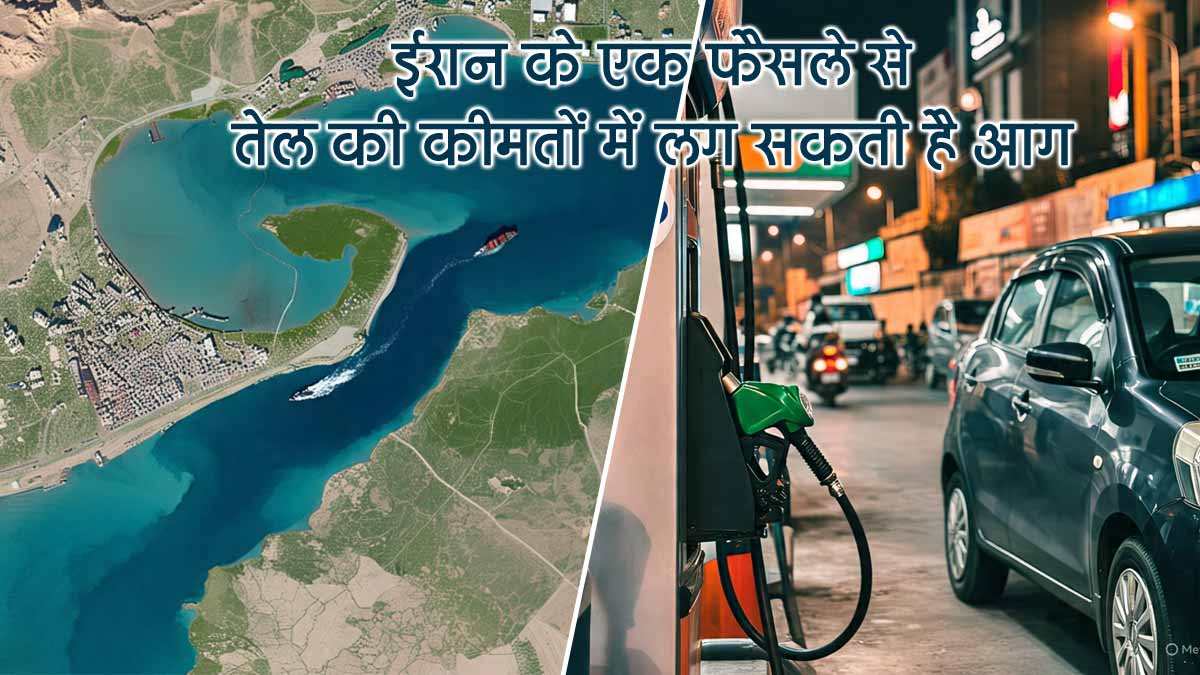
The Strait of Hormuz handles about 20% of the world’s oil. Any disruption here sends shockwaves through global markets. Recent years have seen a surge in maritime incidents:
- 2023: Two UAE-linked tankers attacked near Fujairah
- 2024: Iranian forces seize an Indian-flagged vessel carrying Emirati crude
- 2025: A drone strike damages a Saudi pipeline terminal in Yanbu
These events aren’t isolated. They reflect a broader pattern: regional powers using energy infrastructure as leverage.
For Saudi Arabia, stability through OPEC coordination is paramount. For the UAE, it’s increasingly seen as a liability. Riyadh’s reluctance to adopt aggressive countermeasures—fearing escalation with Iran—has left Abu Dhabi exposed. The UAE now views OPEC as a forum that prioritizes Saudi risk-aversion over Emirati security needs.
Abu Dhabi’s response has been twofold: strengthen military partnerships with the U.S. and France, and exit multilateral energy agreements that limit its operational freedom.
How This Weakens Saudi Arabia’s Position
Saudi Arabia’s influence in OPEC has always rested on two pillars: production capacity and regional leadership. The UAE’s exit fractures both.
First, the symbolic blow: the Gulf’s second-largest oil producer walking away undermines the image of GCC unity. If the UAE can go it alone, why can’t Kuwait? Or even Iraq?
Second, the economic impact. The UAE accounts for nearly 12% of OPEC’s total production. Its departure forces the cartel to either redistribute quotas—angering Nigeria and Angola—or admit it can no longer enforce discipline.

But the deeper wound is political. For decades, Saudi Arabia positioned itself as the de facto leader of Gulf energy policy. The UAE’s move signals that leadership is no longer automatic.
Consider this: the UAE recently signed a 20-year supply deal with India, bypassing OPEC price benchmarks. It’s also expanding its Ruwais refinery to process more crude domestically—reducing export dependency. These aren’t moves of a follower. They’re those of a competitor.
Strategic Drift: UAE’s Broader Energy Independence Plan
The OPEC exit is just one piece of a larger strategy. The UAE isn’t abandoning oil—it’s reengineering its entire energy posture.
Key initiatives include:
- Domestic Refining Expansion: The Ruwais complex will process 1.5 million barrels per day by 2027, up from 850,000 in 2023. This reduces reliance on spot market sales.
- Asian Market Diversification: 65% of UAE crude now goes to China, India, and South Korea—markets less sensitive to OPEC pricing.
- Military Energy Resilience: The UAE is building underground storage for 200 million barrels, ensuring supply continuity during Hormuz disruptions.
- Non-OPEC Partnerships: Bilateral production pacts with Brazil and Guyana allow the UAE to influence global supply without OPEC constraints.
This isn’t just about oil. It’s about controlling the entire value chain—from extraction to delivery—without needing Riyadh’s approval.
The Blow to OPEC’s Relevance
OPEC’s power has always depended on cohesion. When key members defect, the cartel risks becoming a bargaining tool rather than a decision-maker.
The UAE’s exit follows Iraq’s growing non-compliance and Angola’s quiet disengagement. It sets a precedent: if a major Gulf producer can thrive outside the group, others may follow.
More troubling for OPEC: the UAE is doing so without economic fallout. In fact, its oil revenues rose 14% in the first quarter post-announcement, thanks to direct negotiations with refiners in Asia.
This undermines OPEC’s core argument—that collective action stabilizes prices. The UAE is proving that bilateral deals and strategic reserves offer better protection during crises.
Regional Fallout: GCC Unity at Risk
The Gulf Cooperation Council (GCC) was built on energy and security coordination. The UAE’s OPEC exit exposes cracks in that foundation.
Saudi Arabia sees energy policy as a regional matter. The UAE now treats it as a national one.
This divergence isn’t limited to oil. On foreign policy, the UAE has engaged with Israel, distanced itself from Yemen’s war, and maintained backchannel talks with Iran—moves often at odds with Saudi positions.
The OPEC split formalizes this rift. It’s no longer about tactical disagreements. It’s about competing visions for Gulf leadership.
What This Means for Global Markets
Markets are responding cautiously. Brent crude saw a 3% spike immediately after the UAE’s announcement, but stabilized within days.
Why? Because the UAE isn’t cutting supply—it’s changing how it sells it.
Traders now face a new reality: Gulf oil is no longer a monolithic bloc. Pricing signals will diverge. Saudi crude may still follow OPEC benchmarks, but Emirati barrels will be negotiated independently.
For importers, this could mean more flexibility—but also more volatility. Long-term contracts with the UAE may offer discounts, but without the stability of cartel-backed supply assurances.
Hedge funds are already adjusting. Goldman Sachs recently reclassified UAE crude as a “semi-independent commodity,” distinct from broader OPEC pricing models.
The Saudi Dilemma: Control vs. Survival
Saudi Arabia faces a tough choice: double down on OPEC and risk further fragmentation, or adapt to a multipolar Gulf energy landscape.
Riyadh’s initial response—publicly dismissing the UAE’s move as “short-sighted”—only highlights its discomfort. Privately, Saudi officials are grappling with the implications.
One option: offer the UAE a special associate status within OPEC, allowing quota flexibility while preserving symbolic unity. But that risks encouraging similar demands from Nigeria and Algeria.
Another: strengthen bilateral ties with smaller OPEC members to isolate dissenters. But that won’t reverse the trend of Gulf producers seeking autonomy.
The deeper issue? Saudi Arabia’s economy is more oil-dependent than the UAE’s. While Abu Dhabi has invested heavily in tourism, tech, and renewables, Riyadh still relies on oil for 42% of GDP. This limits its ability to absorb market shocks—making OPEC’s stability mechanisms more critical for Saudi survival.
What Comes Next?
The UAE’s OPEC exit is a landmark moment in Middle Eastern energy politics. It signals that the era of Saudi-led consensus is fading.
Expect:
- More bilateral crude deals bypassing OPEC benchmarks
- Increased military investment in Hormuz protection by UAE and allies
- Further strain in GCC relations, especially on Iran policy
- Potential OPEC+ realignment, with Russia gaining influence as Gulf unity weakens
For global energy markets, the message is clear: the Gulf is no longer a single actor. The UAE’s move isn’t just about leaving a cartel. It’s about asserting a new role—one where Abu Dhabi negotiates as an independent power, not a subordinate partner.
The Saudi dream of Gulf energy unity just hit a hard limit. The UAE isn’t leaving oil behind. It’s leaving Saudi control behind.
FAQ
Why is the UAE leaving OPEC? The UAE is leaving due to disagreements over production quotas, lack of autonomy during the Hormuz oil crisis, and a strategic shift toward energy independence.
How will this affect oil prices? Short-term volatility is possible, but the UAE isn’t reducing output. Prices may stabilize as markets adjust to direct Emirati supply deals outside OPEC frameworks.
Is Saudi Arabia losing influence in the Middle East? Yes, particularly in energy policy. The UAE’s move reflects growing regional competition and reduced acceptance of Saudi leadership.
Can OPEC survive without the UAE? OPEC will continue, but its influence will weaken. The departure of a major Gulf producer undermines its cohesion and pricing power.
What are the UAE’s alternatives to OPEC? The UAE is pursuing long-term bilateral contracts, expanding refining capacity, and building strategic reserves to operate independently.
How does the Strait of Hormuz factor into this decision? Security threats in Hormuz made OPEC’s slow response mechanisms inadequate. The UAE prioritizes agile, national-level solutions over collective action.
Will other OPEC members follow the UAE? Likely not immediately, but the move sets a precedent. Countries like Iraq and Angola may seek greater autonomy if OPEC’s value continues to decline.
FAQ
What should you look for in UAE Exit from OPEC Amid Hormuz Tensions Shakes Saudi Influence? Focus on relevance, practical value, and how well the solution matches real user intent.
Is UAE Exit from OPEC Amid Hormuz Tensions Shakes Saudi Influence suitable for beginners? That depends on the workflow, but a clear step-by-step approach usually makes it easier to start.
How do you compare options around UAE Exit from OPEC Amid Hormuz Tensions Shakes Saudi Influence? Compare features, trust signals, limitations, pricing, and ease of implementation.
What mistakes should you avoid? Avoid generic choices, weak validation, and decisions based only on marketing claims.
What is the next best step? Shortlist the most relevant options, validate them quickly, and refine from real-world results.