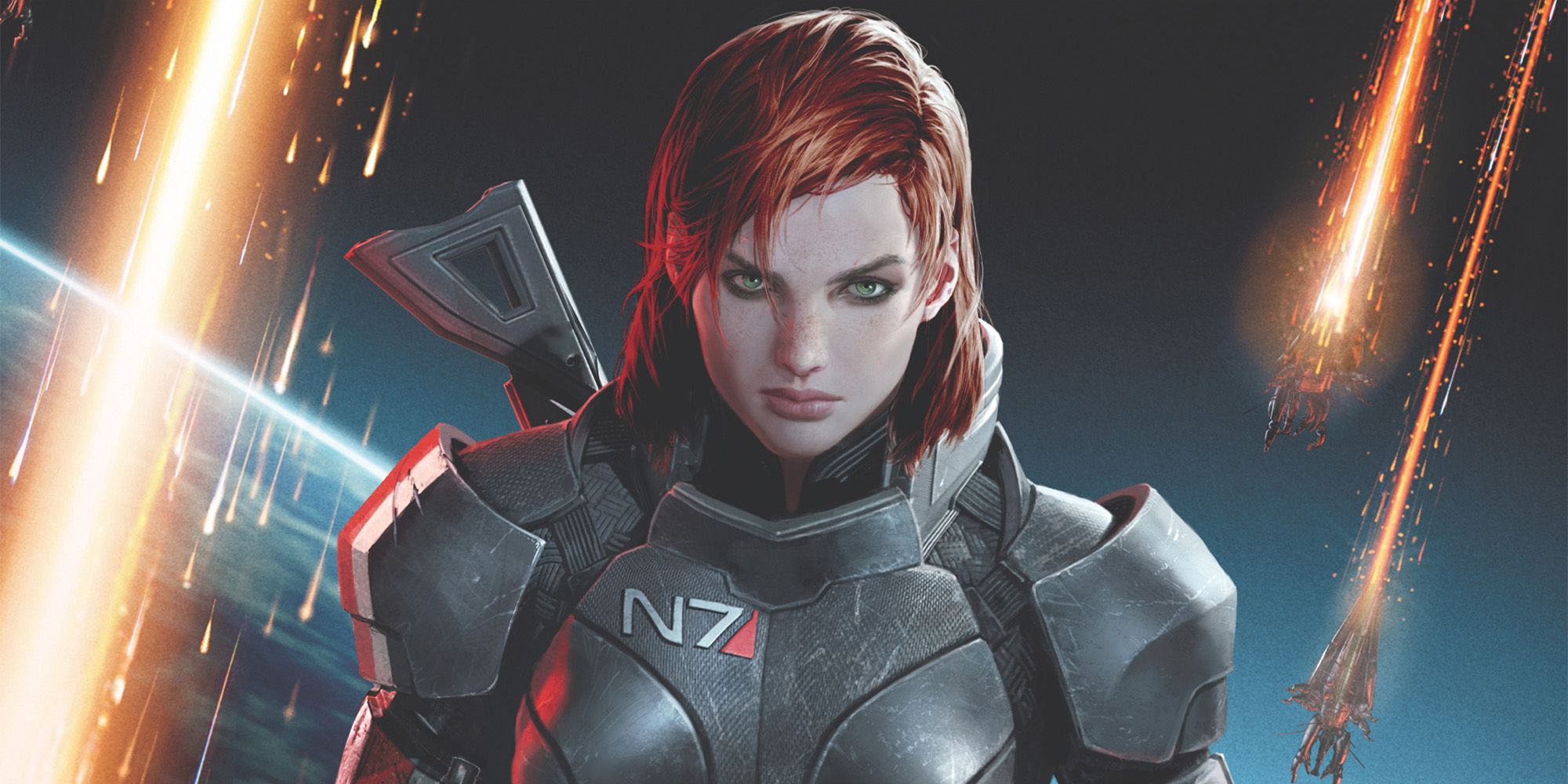
When a character sparks intense debate across forums, Reddit threads, and social media, their return isn’t just a narrative decision—it’s a cultural event. One Mass Effect actor, long associated with a polarizing figure in the franchise, has finally spoken about the possibility of reprising their role. Their comments cut through years of speculation, offering insight into the emotional weight of portraying a character many love to hate.
This isn’t just about nostalgia or fan service. It's about how storytelling evolves when audiences carry strong, often conflicting, emotional attachments to fictional figures. The actor’s reflections reveal a deeper truth: controversial characters often carry the most narrative responsibility, and their return demands more than just a paycheck—it requires reconciliation with the past.
The Character That Divided a Galaxy
Few figures in the Mass Effect trilogy generated as much debate as Kai Leng. Introduced in Mass Effect 3 and featured in tie-in comics and Mass Effect: Andromeda, Leng was intended as a human antagonist aligned with Cerberus—an elite operative meant to mirror Commander Shepard’s capabilities. But fans didn’t embrace him. Instead, they criticized his over-the-top portrayal, perceived narrative favoritism, and combat mechanics that frustrated players.
Kai Leng became symbolic of broader concerns about Mass Effect 3’s writing direction and Bioware’s handling of player agency. For years, he was the poster child of “franchise missteps.” So when actor Troy Baker, who voiced Leng, recently addressed the character’s potential return during a panel at PAX East, it reignited discussion not just about Leng, but about how games handle unpopular characters.
“I understand why people roll their eyes,” Baker admitted. “But I also believe every character—even the ones we don’t love—serves a purpose. Leng was never supposed to be likable. He was supposed to be a mirror: human, flawed, driven by a warped sense of purpose. That doesn’t make him easy. It makes him complicated.”
Baker’s comments highlight a key tension in modern narrative design: audiences increasingly demand morally complex characters, but reject them when they don’t align with emotional expectations.
Why Controversial Characters Matter in Franchise Storytelling
It’s easy to dismiss a character like Kai Leng as a failed experiment. But doing so overlooks how essential friction is in storytelling. Controversial figures test a universe’s depth. They challenge heroes, expose ideological rifts, and force players to confront uncomfortable truths.
Consider these examples from other franchises: - The Last of Us: David’s brief but terrifying presence polarized fans, yet his role was critical in shaping Ellie’s trauma and resilience. - The Witcher 3: Emhyr var Emreis is morally ambiguous, politically ruthless, and yet undeniably compelling. His return was both anticipated and feared.
In Mass Effect, Kai Leng was designed to represent the darker path humanity could take—driven by xenophobia, militarism, and blind loyalty to a corrupt ideology. While his execution stumbled, his thematic role was sound.
Baker noted: “We don’t get to pick which characters resonate. Sometimes the ones that annoy us the most are the ones we need to hear from. Because discomfort is where discussion begins.”
Fan Backlash and the Weight of Legacy
No discussion of Kai Leng is complete without acknowledging the sheer volume of backlash. Memes mocking his “invisible sword,” threads dissecting his cutscenes, and petitions to erase him from canon became part of Mass Effect’s digital folklore.
This backlash isn’t trivial. It reflects a shift in how audiences engage with media: not as passive consumers, but as active participants in a character’s legacy. When Bioware introduced Leng as a recurring threat, many felt he undermined Commander Shepard’s uniqueness. His presence in the Citadel DLC, where he taunted Shepard via a video message, was seen by some as salt in the wound.
But Baker argues that backlash can evolve into dialogue. “I’ve read the comments. I’ve seen the jokes. And honestly? I get it. But I also think we’re starting to see a second wave of reflection—people revisiting Leng not to hate him, but to understand what he represented during a turbulent time in the franchise.”
This mirrors broader trends in fandom culture. Characters once ridiculed—like Jar Jar Binks or Wesley Crusher—have seen reappraisals as audiences mature and context shifts.
The Actor’s Responsibility to an Unpopular Role
Portraying a hated character comes with unique challenges. Unlike villains who command respect—think Darth Vader or Handsome Jack—Kai Leng occupies a gray zone: not evil enough to be iconic, not redeemable enough to be sympathetic.
For Troy Baker, known for nuanced roles like Joel (The Last of Us) and Booker DeWitt (BioShock Infinite), taking on Leng was a deliberate creative risk. “You don’t take on a role because it’s popular,” he said in a follow-up interview. “You take it because it’s challenging. And Leng was challenging—emotionally, physically, narratively.”
Voice acting, especially in high-stakes franchises, requires more than vocal range. It demands empathy—even for characters audiences despise. Baker revealed that he developed a full backstory for Leng, including motivations, fears, and internal conflicts never fully explored in-game.
“Was all of that on screen? No. But it informed how I delivered every line. Even when he’s smirking or monologuing, there’s a man underneath who believes he’s saving humanity. That’s terrifying. But it’s also human.”
Could Kai Leng Return? Narrative Possibilities

With rumors swirling about a new Mass Effect title—possibly led by BioWare’s Austin studio—the door is open for legacy characters to reappear. Would bringing back Kai Leng be a smart move?
Let’s break down the possibilities:
1. Redemption Arc Leng could resurface in a weakened Cerberus landscape, forced to confront the consequences of his actions. A redemption arc would require careful writing—audiences won’t accept a simple “I was wrong” moment. But if done right, it could mirror themes from Mass Effect 2’s loyalty missions.
2. Tragic Antagonist Alternatively, Leng could double down on his ideology, becoming a full-blown extremist in a post-Reaper galaxy. This version leans into his role as a dark mirror, highlighting how trauma and fear can distort purpose.
3. Symbolic Presence He might not return physically at all. A data log, a distorted transmission, or a rumor among turian scouts could keep his legacy alive without reigniting controversy.
Baker remains open but cautious: “If the story needs him, I’d be honored. But it can’t be fan service. It has to mean something. Mass Effect has always been about consequences. So if Leng comes back, it should hurt.”
What This Means for Franchise Revivals
The conversation around Kai Leng isn’t just about one character. It’s about how franchises handle missteps. Do they erase them? Ignore them? Or confront them head-on?
Recent reboots—Star Wars, Uncharted, The Legend of Zelda—show a trend toward acknowledging continuity, even the messy parts. A well-placed callback to a controversial figure can build authenticity, showing that the world remembers its mistakes.
For Mass Effect, embracing Leng’s legacy—through reflection, satire, or narrative reckoning—could be a sign of maturity. It tells fans: We hear you. We remember. And we’re not afraid to grow from it.
Baker summed it up: “No character is beyond repair. Not in storytelling. Not in life.”
Final Thoughts: Controversy as a Catalyst
Troy Baker’s comments on Kai Leng’s potential return do more than address fan curiosity. They reframe controversy as an essential part of storytelling evolution. Characters like Leng force developers, actors, and audiences to grapple with difficult questions: What does it mean to be human? Who gets to be a hero? And what happens when ideology overrides empathy?
If Mass Effect is to return with narrative depth, it shouldn’t shy away from its most divisive elements. It should engage with them—critically, honestly, and creatively.
For fans, the takeaway is clear: don’t dismiss a character because they’re unpopular. Ask why they exist. What do they reveal about the world—and about us?
And for developers? Listen to the backlash. But don’t let it silence the story.
Frequently Asked Questions
Did Troy Baker enjoy playing Kai Leng despite the backlash? Yes. In interviews, Baker has said he found the role challenging and emotionally complex, even if the character was poorly received.
Is Kai Leng confirmed to return in a future Mass Effect game? No official confirmation exists. Any return would depend on BioWare’s narrative direction for the next installment.
Why do fans dislike Kai Leng so much? Fans criticized his overpowered combat encounters, perceived narrative favoritism, and lack of meaningful development compared to other characters.
Was Kai Leng in Mass Effect: Andromeda? No, but a character named Sloane Kelly—voiced by the same actor—bore narrative and vocal similarities, leading to fan speculation.
Can a controversial character be redeemed in a sequel? Yes, but only with careful writing. Redemption requires accountability, growth, and narrative consequence—not just a change of heart.
What other Mass Effect characters faced backlash? The genophage resolution, the ending of Mass Effect 3, and the handling of certain romance arcs have also sparked major fan debate.
How do voice actors prepare for hated characters? Actors often build internal backstories, motivations, and emotional logic—even if not all of it appears on screen.
FAQ
What should you look for in Mass Effect Actor Breaks Silence on Controversial Character Return? Focus on relevance, practical value, and how well the solution matches real user intent.
Is Mass Effect Actor Breaks Silence on Controversial Character Return suitable for beginners? That depends on the workflow, but a clear step-by-step approach usually makes it easier to start.
How do you compare options around Mass Effect Actor Breaks Silence on Controversial Character Return? Compare features, trust signals, limitations, pricing, and ease of implementation.
What mistakes should you avoid? Avoid generic choices, weak validation, and decisions based only on marketing claims.
What is the next best step? Shortlist the most relevant options, validate them quickly, and refine from real-world results.