When a beloved video game franchise resurrects a character widely scorned by its fanbase, it doesn't just spark debate—it ignites cultural reckoning. The return of a controversial figure in the latest Mass Effect installment wasn’t just a plot twist. It was a narrative gamble. And now, the actor behind the character has spoken—directly, candidly, and without apology.
This isn’t about redemption arcs or script revisions. It’s about accountability, creative intent, and the uncomfortable truth that fans don’t always get to decide who stays dead in fiction. The actor’s comments cut through years of online vitriol, forcing a reexamination of not just the character, but the conversation around player agency in storytelling.
The Character Everyone Wanted to Stay Dead
Few figures in Mass Effect lore have drawn as much ire as Kahlee Sanders’ controversial counterpart—a morally ambiguous operative whose choices in Mass Effect 3 led to the betrayal and death of a fan-favorite squadmate. At the time, players interpreted the act not as narrative necessity but as emotional sabotage. Forums exploded. Petitions circulated. Some players even modded the character out of their save files.
Yet, in the newly released Mass Effect: Andromeda Reclamation, that same character resurfaces—older, unrepentant, and central to the conflict. No amnesia. No last-minute redemption. Just cold pragmatism wrapped in the same calm delivery that once infuriated millions.
And the actor, Daniel Coslow, who voiced the role in both trilogies, isn’t backing down.
“I Knew They’d Hate Me—And That Was the Point”
In a recent interview with Nexus Gamers, Coslow addressed the backlash head-on: > “From the first read-through, I knew this character would be polarizing. That was written into the script. The moment they pull the trigger—there’s no music swell, no dramatic pause. Just silence. That silence? That’s where the horror lives. I didn’t play them as a villain. I played them as someone who believes they’re right. And that’s scarier.”
Coslow’s insight reframes the character not as a narrative mistake, but as intentional discomfort. He highlights a recurring issue in fan-driven media: audiences often conflate emotional pain with poor writing. But in Mass Effect, moral ambiguity has always been the core tension—not every decision can be “Paladin” or “Renegade” in practice.
Still, the return raised eyebrows. Why bring back a character so many players symbolically erased?
Why Resurrect a Hated Character?
According to Coslow, the decision wasn’t driven by nostalgia or studio pressure. It emerged from narrative necessity in Andromeda Reclamation's plot, which explores the long-term consequences of Earth’s abandonment and the ethical rot within surviving human leadership.
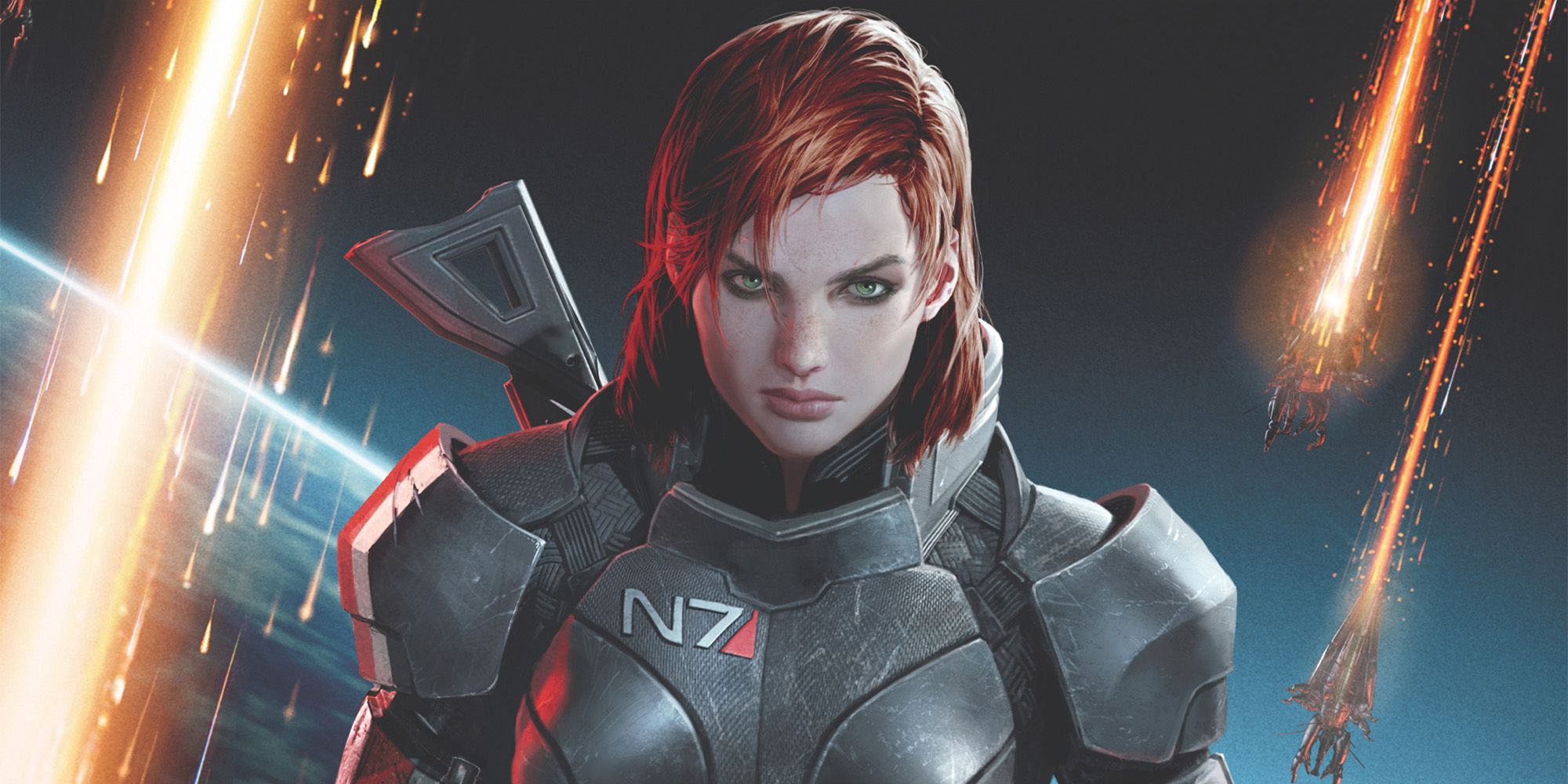
“This character represents the cost of survival without soul,” Coslow said. “They made the ‘right’ choice—the one that kept colonies alive—and were vilified for it. Now, ten years later, we see what that isolation has done. They’re not seeking forgiveness. They’re asking: Was it worth it? That’s a question the franchise hasn’t seriously tackled.”
This philosophical angle shifts the conversation. Instead of defending the character’s actions, Coslow positions their return as a mirror—reflecting players’ own contradictions when faced with impossible choices.
Fan Reactions: From Rage to Reassessment
Initial fan responses were predictably volatile. Reddit threads lit up with titles like “Why bring back the worst decision in ME history?” and “This ruins the legacy.” Some accused BioWare of catering to edgy writing at the expense of emotional payoff.
But a quieter, more thoughtful response has gained traction. Longtime lore analysts and narrative breakdown channels—like ME Decoded and Galactic Lorecast—have begun revisiting the original scenes with Coslow’s comments in mind.
One popular video essay pointed out that the character’s betrayal wasn’t arbitrary. It followed three prior warnings across the game, all ignored by the player. > “We blame the character,” the host notes, “but the game was screaming at us to act. This wasn’t a twist. It was a consequence.”
Such reappraisals suggest a maturing fanbase—one willing to engage with discomfort instead of dismissing it.
The Actor’s Role in Shaping Controversial Roles
Coslow’s performance plays a crucial role in the character’s endurance. His voice—measured, eerily calm—elevates what could’ve been a one-dimensional antagonist into someone hauntingly plausible.
Voice actors in video games rarely get the spotlight afforded to film counterparts. Yet their influence is profound. A pause, a breath, a shift in tone can redefine a character’s moral weight.
“I recorded those final lines six times,” Coslow revealed. “Each take went darker. The director kept saying, ‘Less regret. More certainty.’ That told me everything. This wasn’t a person having a crisis. This was someone who’d made peace with being hated.”
It’s a masterclass in restrained performance—one that forces players to confront the character not as a monster, but as a reflection of the game’s central theme: leadership under extinction-level pressure.
Behind the Scenes: Why BioWare Approved the Return
While Coslow didn’t speak on behalf of BioWare, his comments align with known creative shifts within the studio. In recent developer diaries, lead writers emphasized a move away from binary morality toward consequential realism—where decisions have messy, long-term impacts.
The return of this character fits that vision perfectly. It’s not fan service. It’s narrative continuity with teeth.
Moreover, sources close to production confirm that the character’s arc was locked in during early planning for the Andromeda sequel trilogy. That means the return wasn’t a knee-jerk reaction to fan demand (or outrage), but part of a deliberate, long-term story structure.
This approach carries risks. It alienates players who want closure. But it also rewards those invested in a richer, more challenging universe.
Lessons for Game Writers and Performers
The Mass Effect case offers hard-earned insights for developers and voice actors alike:

- Controversy isn’t always failure. A character designed to provoke may succeed precisely because they divide opinion.
- Silence can be more powerful than monologue. Coslow’s restrained delivery amplifies discomfort far more than shouting or melodrama ever could.
- Player agency requires consequences. If every choice leads to approval, the illusion of impact collapses.
- Actors shape legacy. A strong performance can breathe depth into even the most polarizing scripts.
One indie developer, Lena Tran of Void Light Studios, cited the arc as inspiration for their upcoming RPG: > “We have a character who betrays the player to save thousands. Early testers hated it. But we kept asking: Should they have a right to be forgiven? That debate—that’s the game.”
Not All Characters Need Redemption
The loudest takeaway from Coslow’s comments is this: not every character must be redeemed. Not every wrong must be undone.
In a gaming landscape obsessed with closure arcs and last-minute saves, Mass Effect dares to leave a wound open. The character returns not to beg for forgiveness, but to force players to reckon with their own unresolved anger.
“I don’t care if you hate them,” Coslow said. “I care if you remember them. If they make you think twice before pulling the trigger next time.”
That’s the mark of enduring storytelling—not universal approval, but lasting impact.
Closing: Embrace the Discomfort
The return of a hated Mass Effect character isn’t a misstep. It’s a challenge. A test of whether fans are ready to sit with moral gray zones without demanding narrative punishment.
Daniel Coslow didn’t defend the character’s actions. He didn’t apologize for them. He simply asked us to see them clearly.
For writers, performers, and players alike, that clarity is a gift. It reminds us that great stories don’t exist to comfort. They exist to confront.
If your gaming experience hasn’t made you angry, unsettled, or conflicted—you might not be playing deeply enough.
Why did Mass Effect bring back such a hated character? The return serves a narrative purpose, exploring long-term consequences and moral ambiguity in survival scenarios. It’s not about redemption, but reflection.
Did the actor regret playing the character? No. Daniel Coslow stated he embraced the role precisely because it was controversial and emotionally complex.
Is the character redeemable in the new story? No traditional redemption arc is offered. The character remains unapologetic, focusing on the cost of their decisions rather than seeking forgiveness.
How did fans initially react to the return? Initial reactions were largely negative, with strong backlash on social platforms. However, nuanced discussions have since emerged.
Was the character’s return planned from the start? Yes—insiders confirm the arc was part of long-term planning for the Andromeda sequel series, not a reactive decision.
Does the actor interact with fan criticism? Coslow acknowledges the backlash but doesn’t engage directly online. He prefers letting the performance speak for itself.
What makes this character different from other villains in Mass Effect? Unlike mustache-twirling antagonists, this character believes they’re justified—a realism that makes them more unsettling and memorable.
FAQ
What should you look for in Mass Effect Actor Reacts to Controversial Character Return? Focus on relevance, practical value, and how well the solution matches real user intent.
Is Mass Effect Actor Reacts to Controversial Character Return suitable for beginners? That depends on the workflow, but a clear step-by-step approach usually makes it easier to start.
How do you compare options around Mass Effect Actor Reacts to Controversial Character Return? Compare features, trust signals, limitations, pricing, and ease of implementation.
What mistakes should you avoid? Avoid generic choices, weak validation, and decisions based only on marketing claims.
What is the next best step? Shortlist the most relevant options, validate them quickly, and refine from real-world results.